Medical weight loss has evolved significantly over the past few years. Medications such as Semaglutide and Tirzepatide have changed the way physicians help people manage obesity, insulin resistance, and other metabolic conditions, offering new treatment options that simply weren’t available a few years ago.
Despite their growing popularity, GLP-1 medications are still widely misunderstood. Many people think of them as “weight loss injections,” but they do much more than help reduce body weight. These medications work with the body’s natural hormones to regulate appetite, improve blood sugar control, slow digestion, and support healthier metabolic function. For many patients, the benefits extend well beyond what they see on the scale.
As research continues to evolve, physicians are learning more about the wider role GLP-1 therapies may play in supporting metabolic health, cardiovascular health, and healthy aging. As a result, the conversation is shifting away from simply losing weight and toward improving overall health, energy, and long-term wellness.
In this guide, we’ll explain how GLP-1 medications work, why physician-led medical weight loss is different from one-size-fits-all prescribing, and what you should know about the growing interest in GLP-1/GIP microdosing. We’ll also explore how, at REAL Aesthetics + Wellness, these treatments are used as part of a personalized wellness plan designed to support sustainable weight management, metabolic health, and long-term wellbeing, rather than focusing solely on rapid weight loss.
Why is physician-led medical weight loss different?
The growing popularity of GLP-1 medications has unfortunately led to many patients obtaining prescriptions through online questionnaires or services that offer little ongoing medical supervision.
While these medications can be highly effective, they are not appropriate for everyone, nor should every patient follow exactly the same treatment plan.
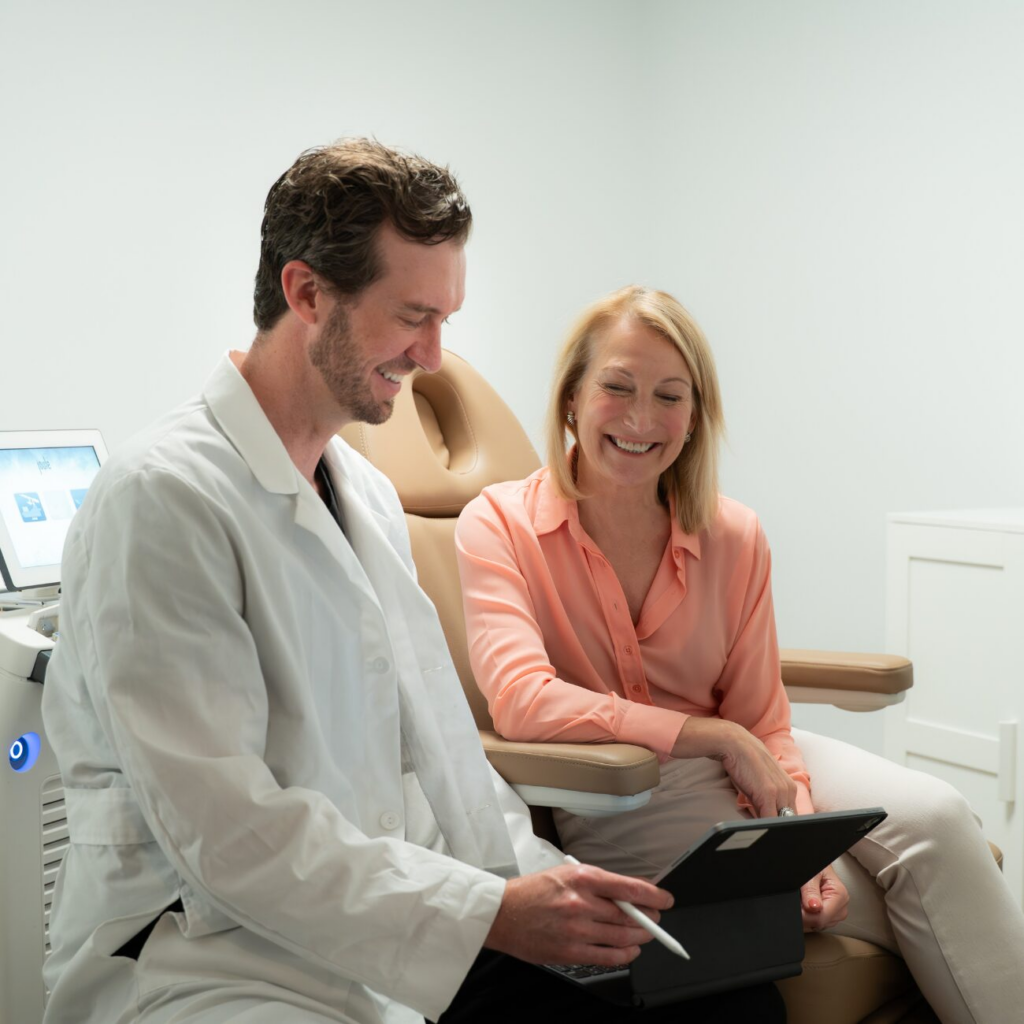
At REAL Aesthetics + Wellness, every patient begins with a comprehensive medical assessment. Rather than focusing solely on body weight, physicians evaluate factors including:
- Medical history
- Current medications
- Metabolic health
- Lifestyle
- Body composition
- Long-term health goals
- Blood work when appropriate
- Dose adjustments tailored to the individual need
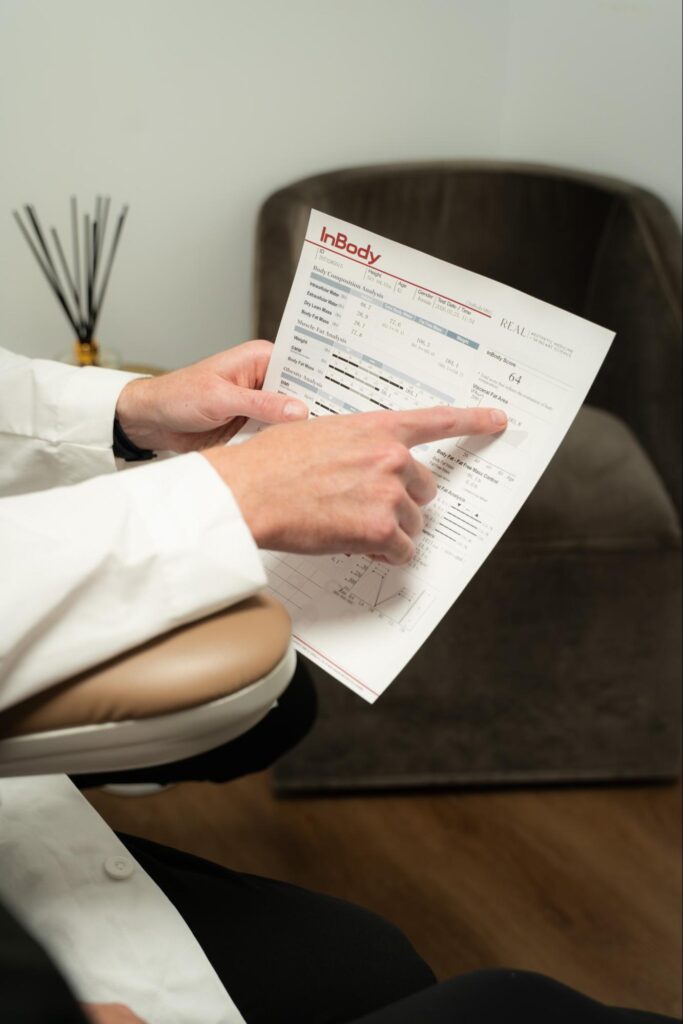
This allows treatment to be individualized from the beginning rather than relying on a standardized protocol. Throughout treatment, progress is monitored carefully with dose adjustments, nutritional guidance, body composition analysis, and ongoing physician oversight.
In practice, this often leads to better long-term outcomes because treatment evolves alongside the patient’s changing metabolic needs.
What are GLP-1 medications?
GLP-1 stands for glucagon-like peptide-1, a hormone naturally produced in the gut after eating.
It plays an important role in regulating:
- Appetite
- Satiety (feeling full)
- Blood sugar
- Insulin release
- Gastric emptying
- Energy balance
Some medications, including Semaglutide, mimic the action of this hormone. Others, such as Tirzepatide, work on both GLP-1 and another hormone called GIP, providing broader metabolic effects for some patients.
Instead of relying entirely on willpower, these medications help restore hormonal signals that have often become dysregulated through obesity, insulin resistance, menopause, chronic stress, aging, or other metabolic changes.
Are GLP-1 medications just for weight loss?
This is one of the biggest misconceptions surrounding GLP-1 therapy. Although medical weight loss receives the most media attention, physicians increasingly recognize these medications as tools for improving overall metabolic health.
Research continues to demonstrate benefits that extend well beyond body weight, including improvements in:
- Blood sugar regulation
- Insulin resistance
- Cardiovascular risk
- Systemic inflammation
- Energy regulation
- Appetite control
- Metabolic flexibility
Many patients also report reduced food noise, fewer cravings, more stable energy throughout the day, and improved relationships with eating.
At REAL Aesthetics + Wellness, this is why treatment is viewed as metabolic optimization, not simply calorie restriction. Success is measured by improvements in overall health, body composition, and long-term wellness rather than focusing exclusively on pounds lost.
What is GLP-1 microdosing?
One area attracting increasing attention is GLP-1 microdosing.
Rather than automatically prescribing patients with the highest possible dose, physician-guided microdosing uses carefully individualized dosing strategies designed around each patient’s response.
At REAL Aesthetics + Wellness, GLP-1/GIP Microdosing is used as part of a structured medical program that emphasizes personalized dosing, ongoing monitoring, and metabolic optimization. The goal is to find the lowest effective dose that supports each patient’s health goals while maintaining comfort and sustainability.
For appropriate patients, this approach may offer several advantages, including:
- More gradual metabolic adaptation
- Improved tolerability
- Reduced gastrointestinal side effects
- Longer-term treatment flexibility
- Individualized progression rather than fixed protocols
It is important to understand that microdosing is not simply taking less medication. It should only be undertaken under physician supervision, as dosing must remain appropriate for the individual’s health status and treatment goals. Evidence continues to evolve in this area, making medical oversight especially important.
How does REAL RESET™ support better long-term outcomes?
REAL RESET™ combines evidence-based medications with comprehensive metabolic care rather than relying on medication alone.
The program includes:
- Physician consultation
- InBody body composition analysis at every appointment
- Individualized GLP-1 treatment
- Fewer side effects, improved weight loss
- Lifestyle coaching
- Nutritional and exercise guidance
- Partnership with wellness and longevity based personal trainer
- Ongoing progress monitoring
- Dose refinement throughout treatment
- Weight loss dosing and weight maintenance dosing (once goal weight achieved)
This structured approach recognizes that lasting health improvements require more than appetite suppression. Lifestyle, nutrition, movement, recovery, and metabolic health all contribute to maintaining results after treatment.
Can GLP-1 therapy be combined with other wellness treatments?
At REAL Aesthetics + Wellness we focus on regenerative medicine and whole-body health, therefore medical weight loss is often integrated into a broader wellness plan.
Depending on the patient’s goals, physician recommendations may include complementary treatments that support recovery, hydration, nutritional optimization, or aesthetic concerns that sometimes accompany significant weight loss.
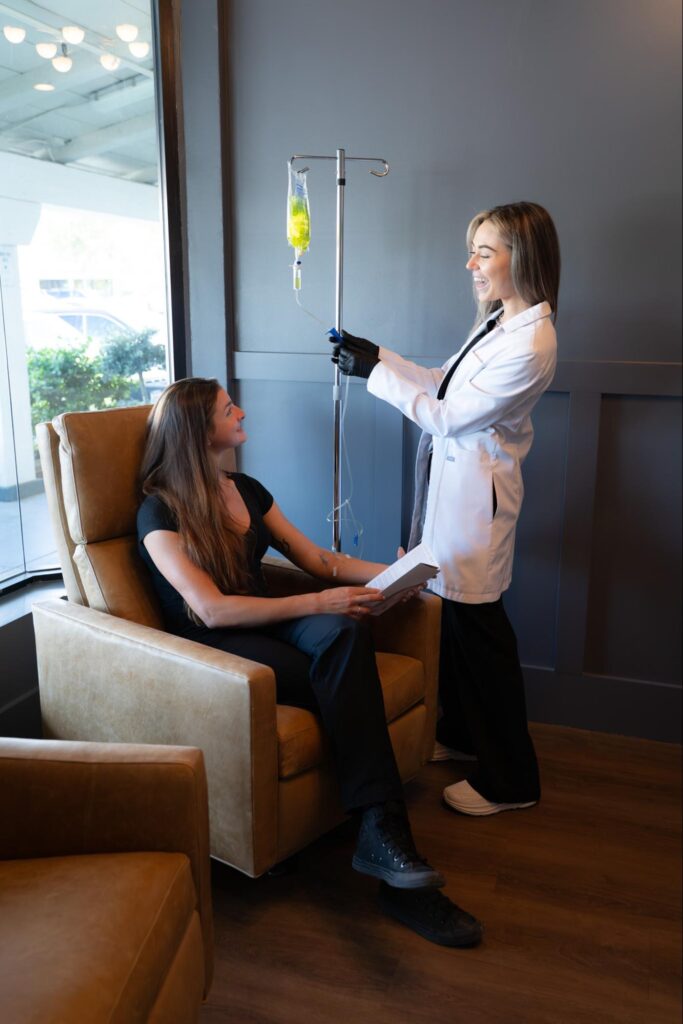
For example, some patients benefit from IV Therapy to support hydration, nutrient delivery, and overall wellness while adjusting to lifestyle changes.
Patients experiencing facial volume loss or skin laxity following significant weight reduction may later explore regenerative aesthetic treatments once weight has stabilized.
By sequencing treatments appropriately, we can help patients improve both metabolic health and overall well-being while supporting natural-looking aesthetic outcomes.
Who is a good candidate for physician-led medical weight loss?
Not everyone who wants to lose weight requires medication. For milder cases, we would usually start by evaluating lifestyle factors, nutrition, exercise habits, and metabolic health before determining whether GLP-1 therapy is appropriate.
Medical weight loss may be suitable for patients who:
- Have struggled with traditional weight loss approaches
- Peri and post menopausal women
- Experience persistent food cravings, binge eating
- Desire optimized metabolism
- Have insulin resistance or metabolic dysfunction
- Want physician-guided, in-person care and accountability
- Prefer evidence-based treatment rather than fad diets
- Are looking for sustainable body composition improvements
The decision is always individualized following medical assessment rather than determined by weight alone.
The future of medical weight loss is personalized medicine
One of the most exciting developments in obesity medicine is the shift away from one-size-fits-all treatment. Rather than assuming every patient needs maximum doses or identical treatment plans, physicians are increasingly recognizing that metabolism is highly individual.
Some patients respond extremely well to lower doses, while others require gradual titration. Some benefit from longer treatment courses, while others transition toward maintenance strategies once metabolic health has improved.
This personalized approach aligns closely with the philosophy at REAL Aesthetics + Wellness, where treatment is designed around the individual rather than the medication itself.
Frequently Asked Questions
How long does it take to see results with medical weight loss?
Many patients begin noticing appetite changes within the first few weeks. Weight loss and metabolic improvements typically develop gradually over several months, depending on the treatment plan and individual response.
Can GLP-1 medications help if I have insulin resistance but don’t need to lose a large amount of weight?
Potentially, yes. In some cases, physicians may consider these medications to support broader metabolic health rather than focusing solely on weight reduction. Suitability always requires an individual medical assessment.
Will I lose muscle while taking GLP-1 medication?
Muscle loss is not inevitable. Maintaining adequate protein intake, resistance exercise, and physician-guided monitoring can help preserve lean body mass during weight loss.
Can I stop treatment once I reach my goal weight?
Some patients transition successfully off medication, while others may benefit from ongoing maintenance strategies. This decision is individualized and depends on long-term metabolic health, lifestyle, and treatment goals.
Are Semaglutide and Tirzepatide the same?
No. Both work through GLP-1 pathways, but Tirzepatide also targets GIP receptors, which may provide additional metabolic effects for some patients. Your physician will recommend the most appropriate option based on your individual needs.
Considering physician-led medical weight loss?
If you’re exploring medical weight loss or wondering whether GLP-1 therapy is appropriate for you, the first step is to book a consultation.
At REAL Aesthetics + Wellness in Santa Rosa, we take a physician-directed approach that looks beyond weight alone, assessing your metabolic health, body composition, and long-term wellness goals before creating a personalized treatment plan. We proudly welcome patients from throughout Sonoma County and the surrounding communities who are looking for thoughtful, evidence-based care that supports lasting health rather than quick fixes.