Do you have
loose or sagging skin?
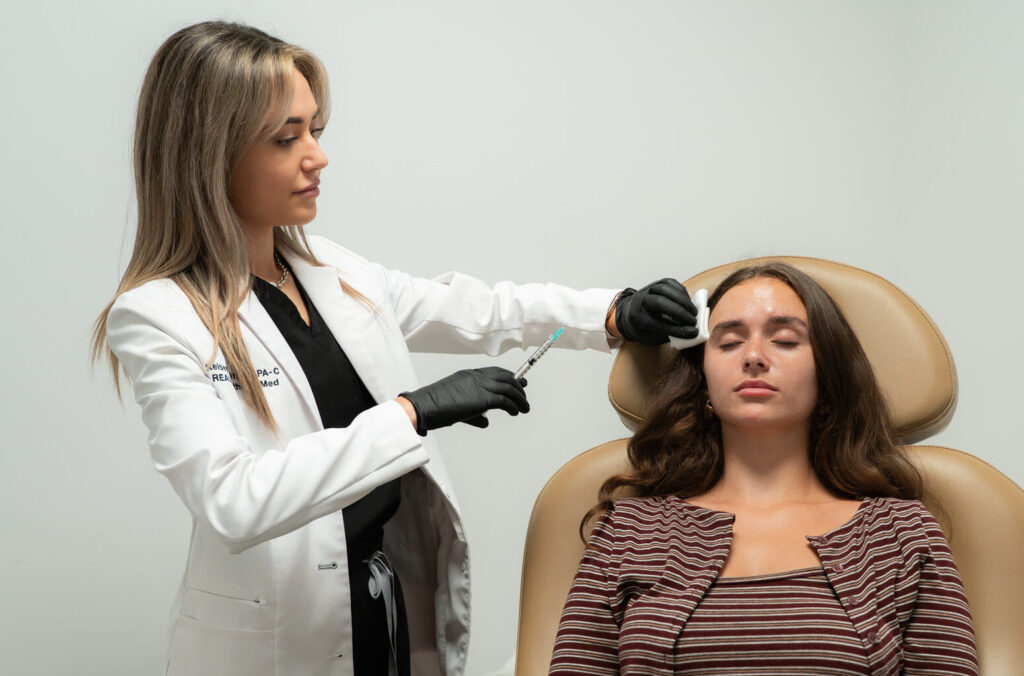
Loose or sagging skin can develop gradually, often starting subtly before becoming more noticeable with age. Whether it’s along the jawline, under the chin, or around the eyes, loss of skin firmness can make the face and neck appear older or tired. At REAL, we take a regenerative, multi-layer approach—addressing both the skin’s surface and the deeper structures for results that are natural, lifted, and long-lasting.
What is
loose or sagging skin?
Loose or sagging skin refers to the loss of firmness, elasticity, and structural support in the skin and underlying tissues. This change is often gradual and linked to the natural aging process, though it can also be accelerated by weight fluctuations, sun exposure, and lifestyle factors. It may present as jowls, a softened jawline, crepey under-eye skin, drooping cheeks, or laxity in the neck. While topical products can help maintain skin health, advanced in-office treatments are often necessary to restore structure and lift.
What causes loose or sagging skin?
Collagen and elastin breakdown
Collagen and elastin are the primary proteins responsible for keeping skin firm and resilient. From our mid-20s, production declines yearly, and existing fibers become weaker, leading to visible laxity over time.
Volume loss in fat pads and bone
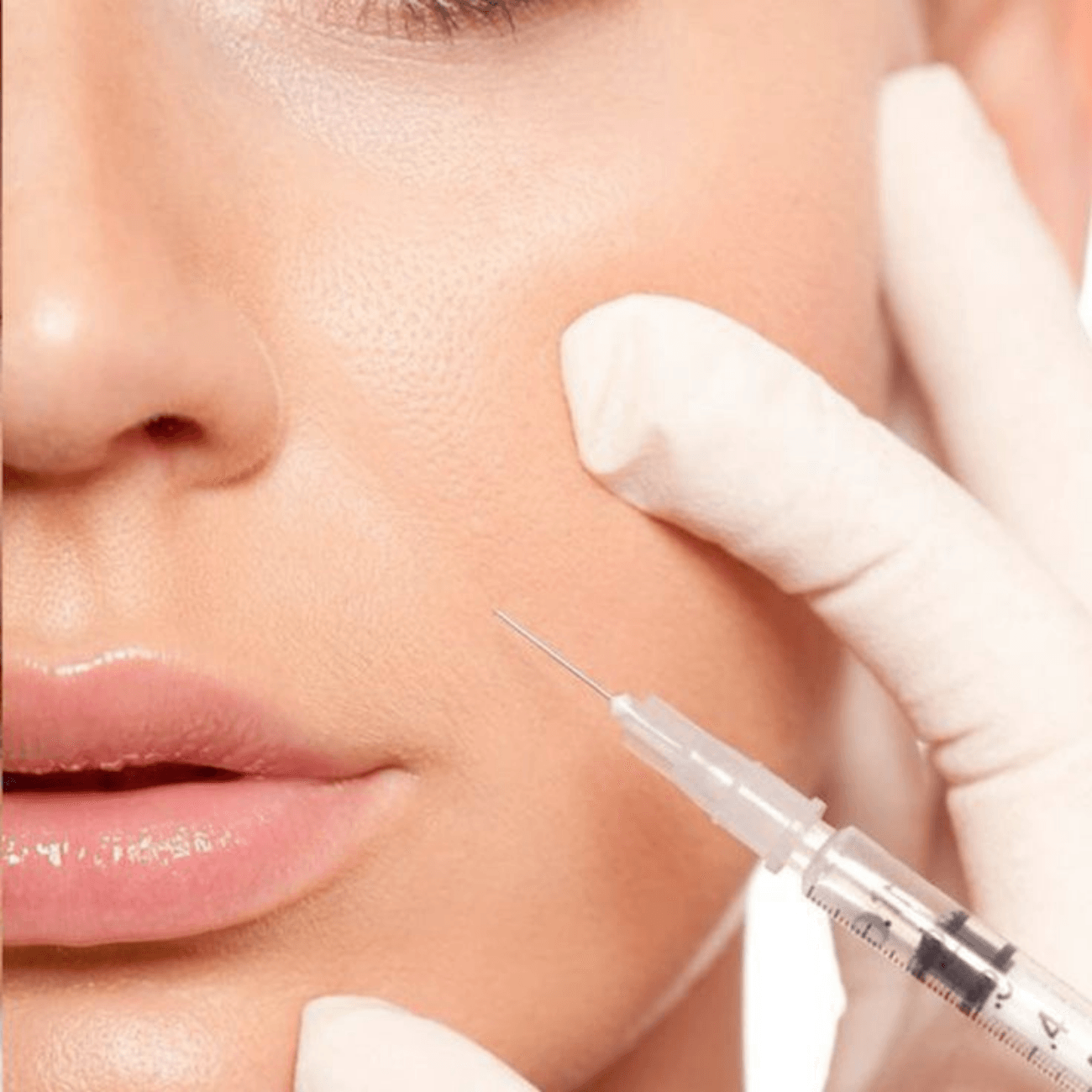
Aging doesn’t just affect skin—it also impacts the bone, muscle, and fat pads beneath. Loss of deep facial volume can cause the skin to sag and settle in lower areas of the face.
Environmental and lifestyle factors
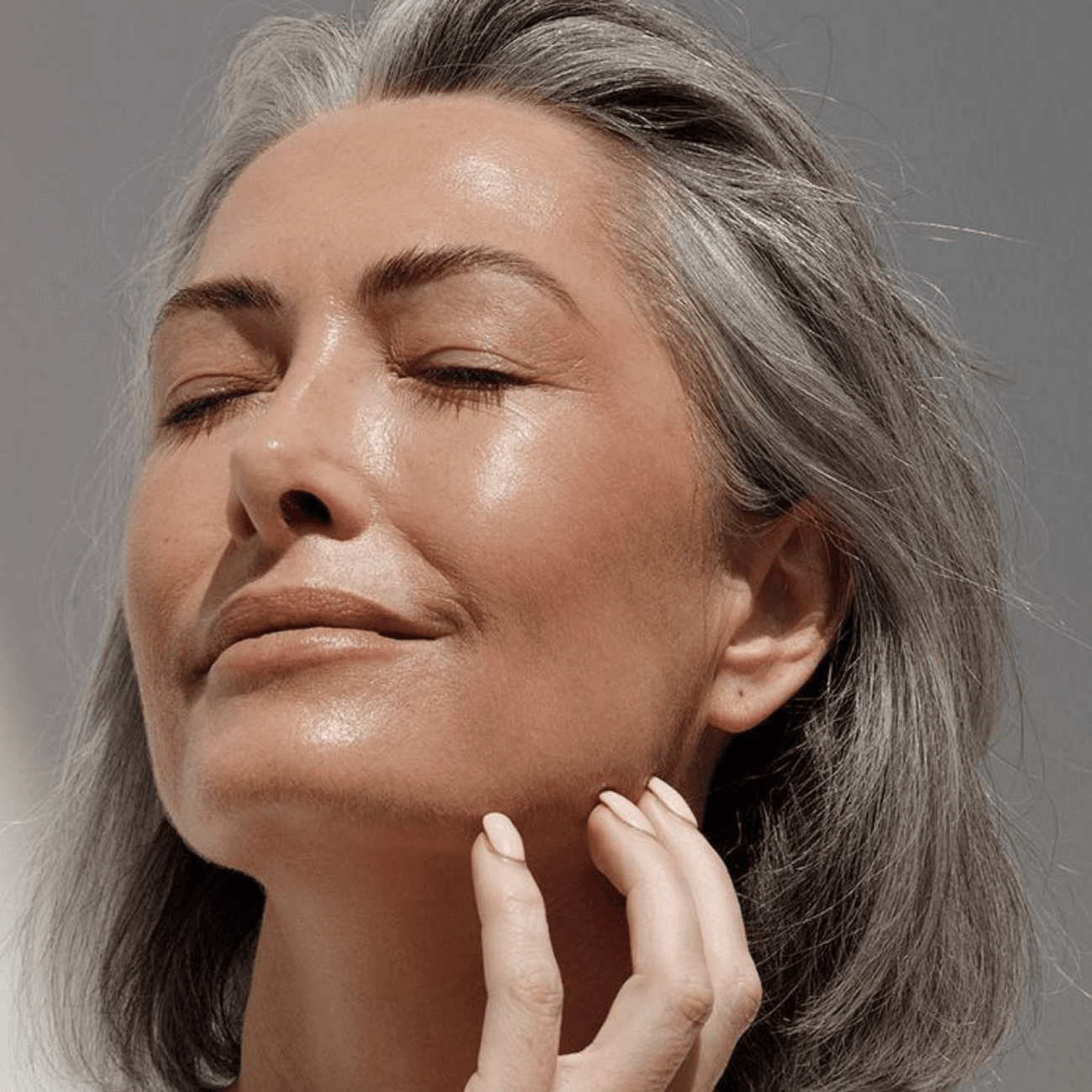
Chronic sun exposure, pollution, poor nutrition, smoking, and dehydration all accelerate the breakdown of collagen and elastin, making laxity more prominent at an earlier age.
Our Recommended Treatment Options
for loose or sagging skin
Frequently Asked Questions
About Loose or Sagging Skin
Can sagging skin be tightened without surgery?
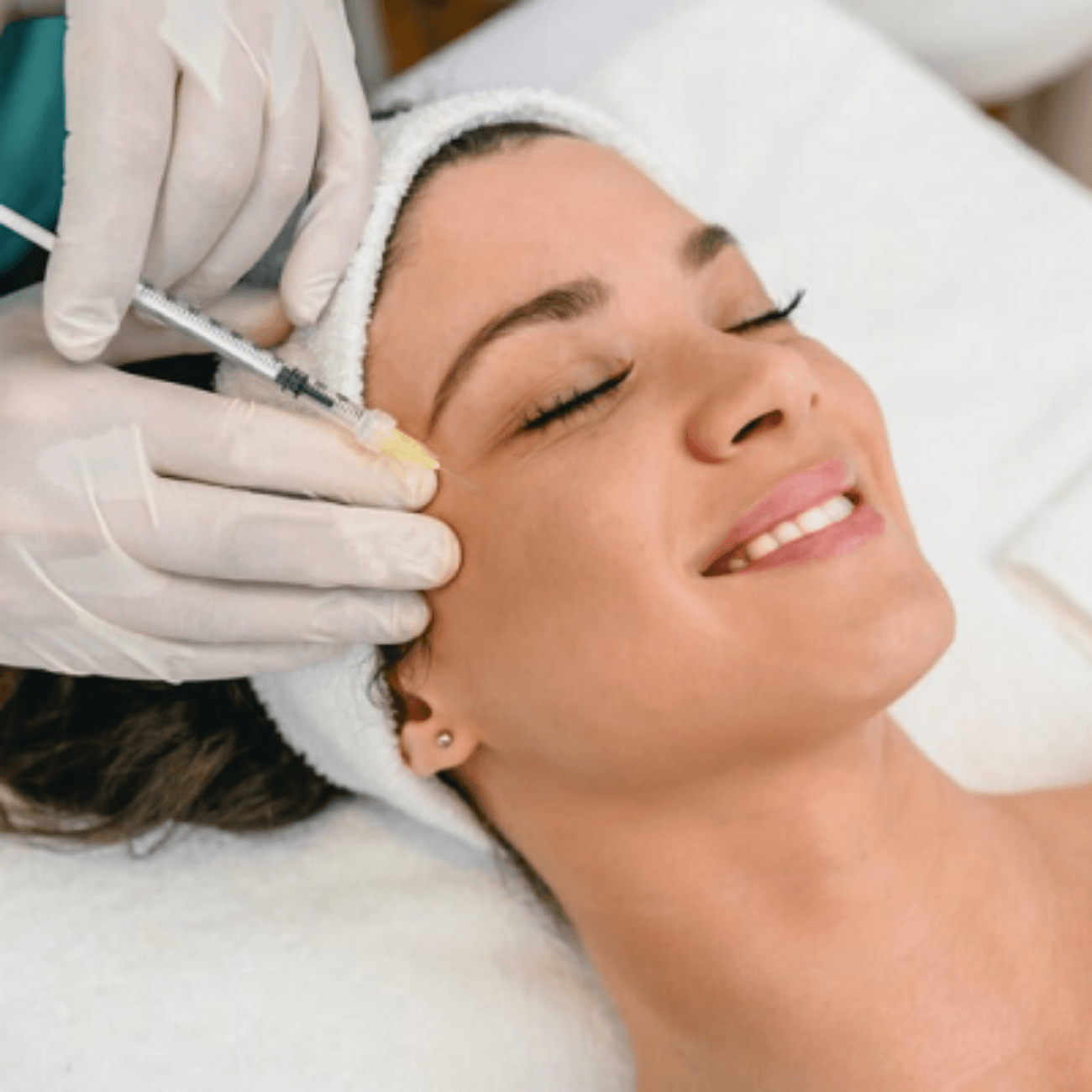
Yes. Advances in ultrasound, laser, and injectable technologies make it possible to achieve noticeable lifting and tightening without surgical intervention.
At what age does skin start to sag?
Most people notice early signs of laxity in their 30s or 40s, but the timing varies based on genetics, sun exposure, and lifestyle habits.
How long do non-surgical tightening results last?
Results can last one to two years, depending on the treatment and individual skin health, with maintenance recommended for best longevity.
Will weight loss make sagging skin worse?
Significant weight loss can make laxity more noticeable since skin may not fully retract without enough collagen and elastin support.
Is it possible to prevent skin from sagging?
While natural aging can’t be stopped, maintaining a healthy lifestyle, protecting skin from the sun, and starting collagen-boosting treatments early can delay visible laxity.