


Do you have
sun spots?
Sun spots—also called age spots or liver spots—are one of the most common visible signs of UV damage. While they’re harmless, they can make skin appear older, uneven, and less radiant. At REAL, we specialize in precise, light-based treatments that fade pigment and restore a clear, even-toned complexion.
What are
sun spots?
Sun spots are flat, brown, tan, or black patches that develop on areas of the skin with frequent sun exposure, such as the face, hands, shoulders, and chest. They are a type of hyperpigmentation caused by an overproduction of melanin—the pigment that gives skin its color—in response to UV exposure. Unlike freckles, which may fade in the winter, sun spots tend to persist year-round and become more prominent with age. While benign, they are a visible marker of cumulative sun damage and often appear alongside other photoaging changes such as fine lines, rough texture, and uneven tone.
What causes sun spots?
UV radiation exposure
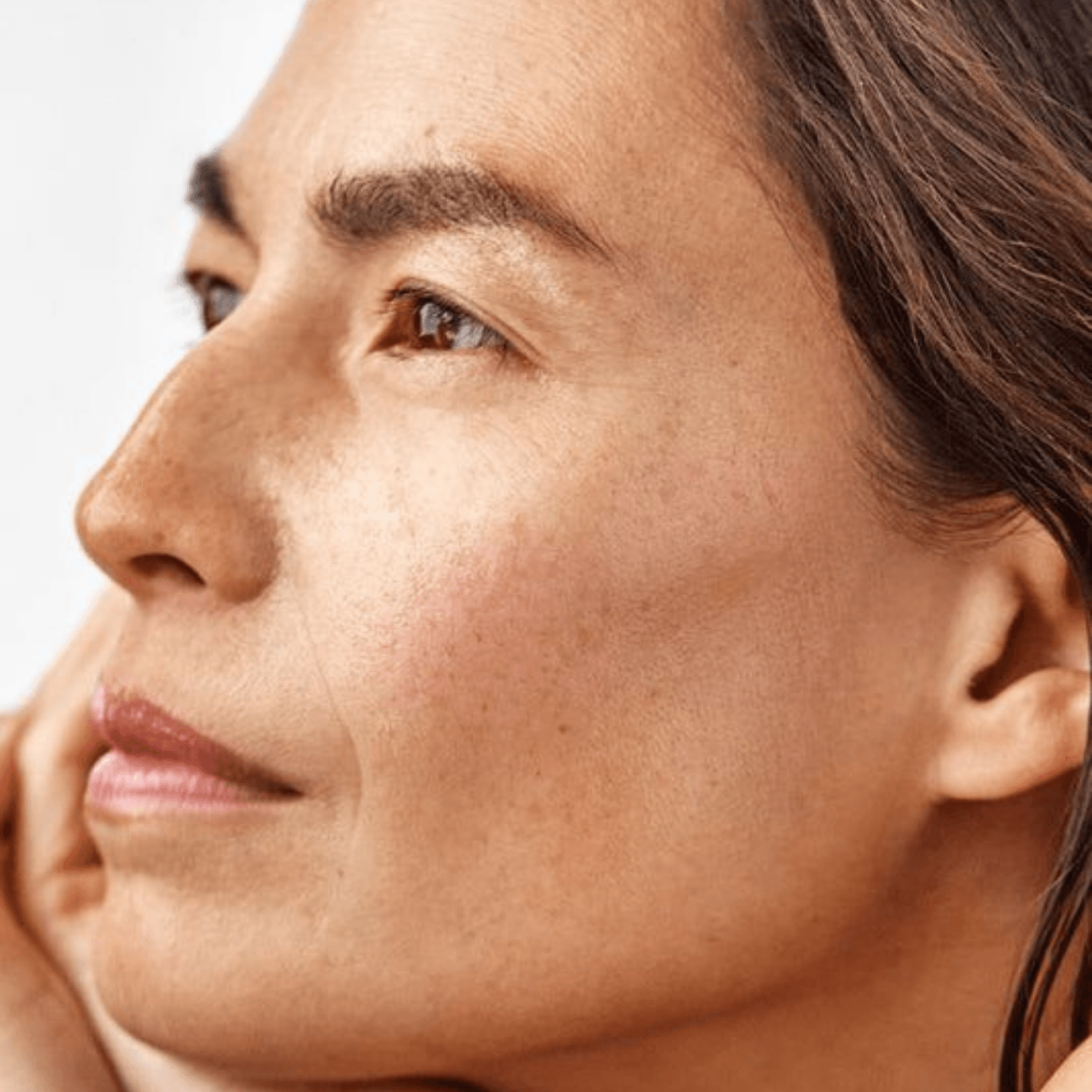
The primary cause of sun spots is chronic exposure to ultraviolet light from the sun or tanning beds. UVA rays penetrate deeply into the skin, accelerating aging and triggering excess melanin production, while UVB rays damage the surface and cause sunburn. Over time, repeated exposure results in permanent pigment deposits in the skin.
Cumulative lifetime exposure
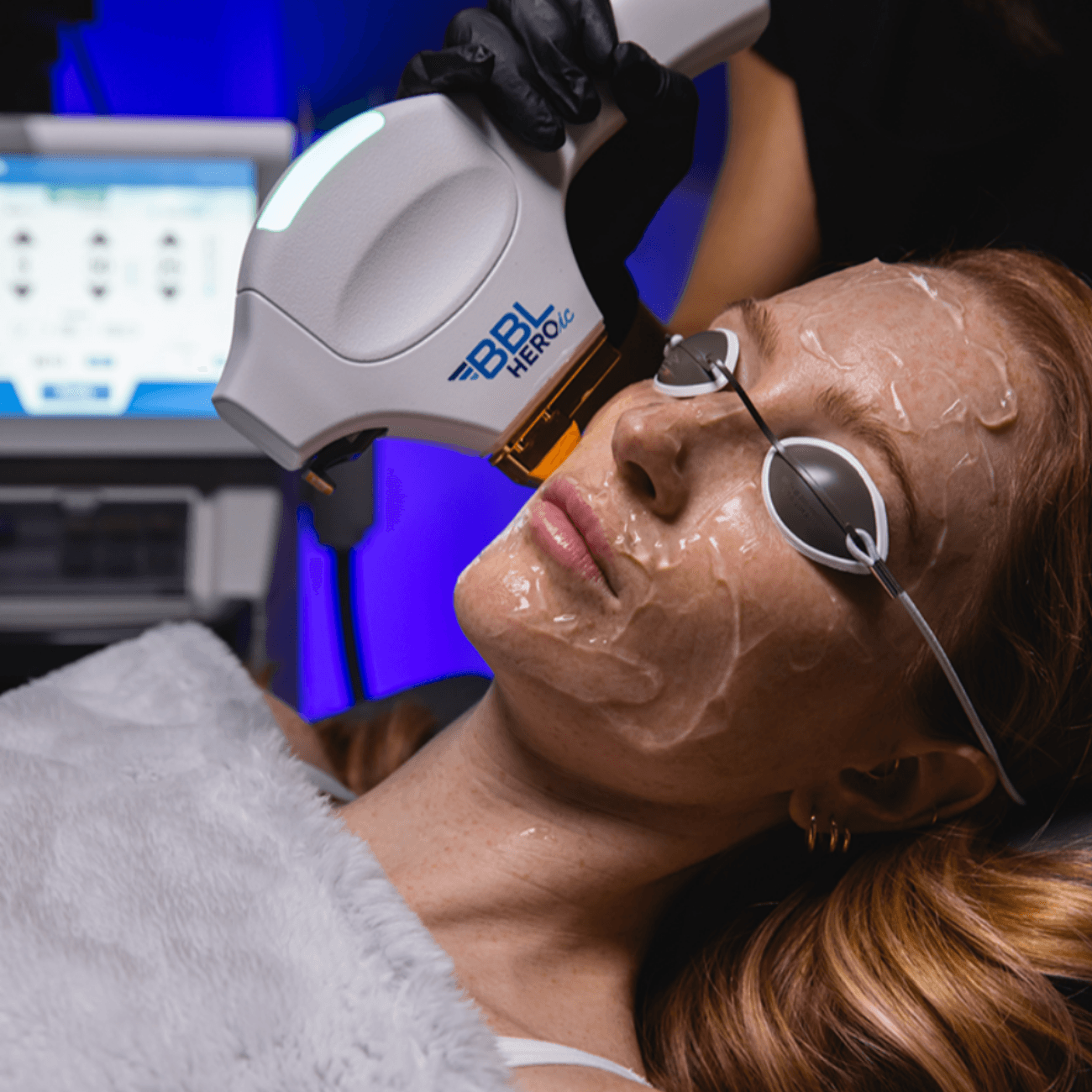
Sun spots don’t appear overnight—they develop gradually from years or decades of intermittent UV exposure. Even short, unprotected periods in the sun, like walking to the car or sitting by a window, contribute to long-term pigment formation.
Skin type and genetics
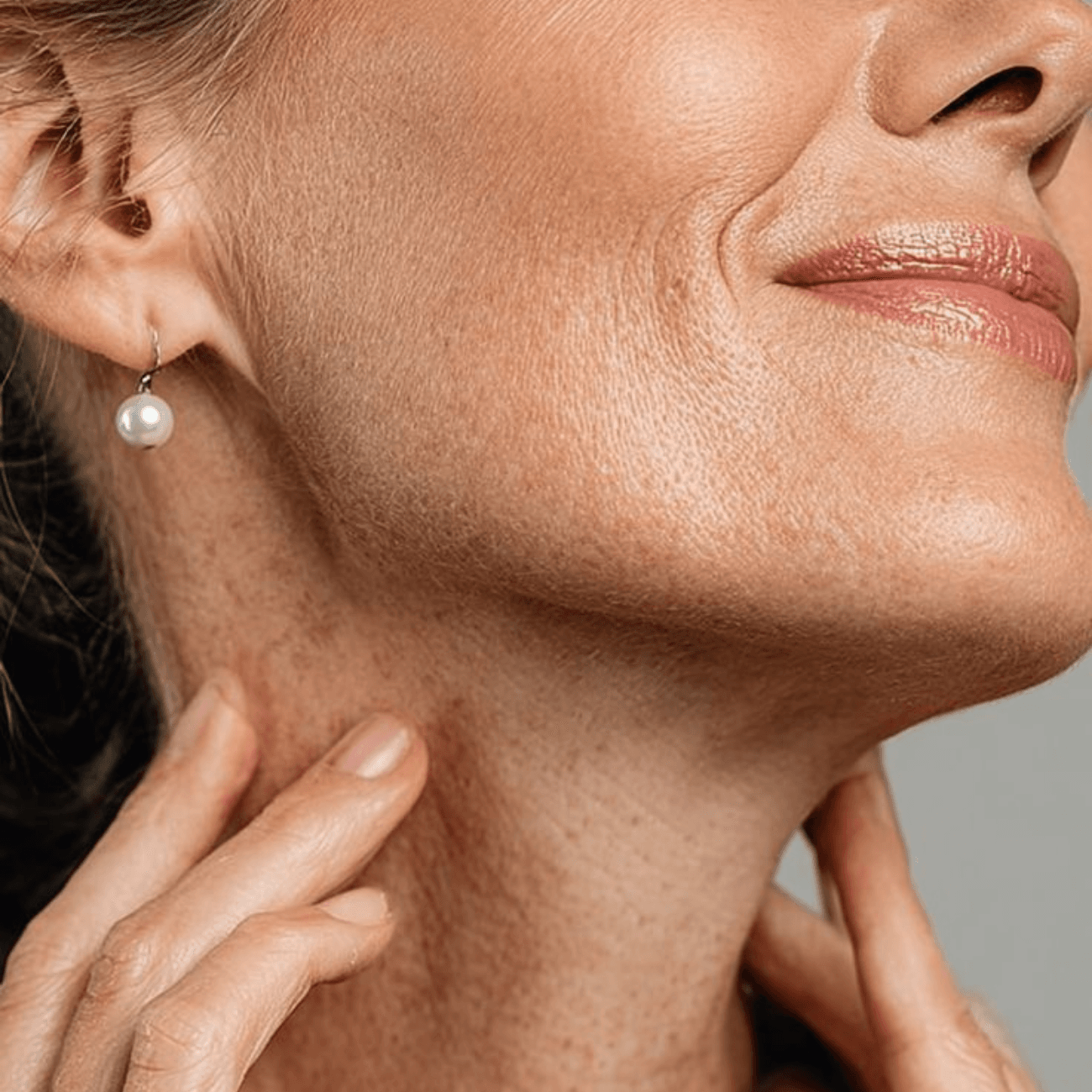
Individuals with lighter skin tones are more prone to visible sun spots because they have less natural melanin to absorb and diffuse UV radiation. However, darker skin tones can also develop hyperpigmentation, which may appear deeper and more stubborn due to higher melanin content.
Our Recommended Treatment Options
for sun spots
Frequently Asked Questions
About Sun Spots
Are sun spots dangerous?
In most cases, sun spots are harmless. However, any new or changing pigmented lesion should be evaluated by a medical professional to rule out skin cancer.
Can sun spots fade on their own?
Mild pigmentation may lighten over time with reduced sun exposure, but most sun spots remain unless treated with targeted procedures.
Will they come back after treatment?
Without ongoing sun protection, new pigment can form and previously treated spots may darken again. Consistent SPF use and protective habits are essential for maintenance.
Are sun spots and freckles the same thing?
No. Freckles are smaller, genetic pigment spots that can darken with sun exposure but often fade in winter. Sun spots are larger, persistent, and directly caused by cumulative UV damage.
Can skincare products treat sun spots?
Medical-grade skincare with ingredients like hydroquinone, retinoids, vitamin C, and tranexamic acid can help lighten sun spots and prevent new pigment from forming, but professional treatments are the most effective option for significant fading.

