Summer has a way of masking what’s happening beneath the surface of your skin. A tan can temporarily blur uneven pigmentation, soften the appearance of fine lines, and give the complexion a healthy-looking glow. Then, almost overnight, fall arrives. As the tan fades, sun spots seem darker, skin feels rougher, pores appear more noticeable, and the complexion often loses some of its brightness.
It’s one of the reasons fall is traditionally considered skin resurfacing season.
At REAL Aesthetics + Wellness in Sonoma County, we often see patients at this time of year who feel that their skin has suddenly changed. In reality, those changes have usually been developing gradually over the summer. Less intense sunlight simply makes them easier to see.
For many people, fall is an ideal opportunity to improve skin quality after months of UV exposure. Cooler weather also makes it easier to protect healing skin, making resurfacing treatments both safer and more practical than they often are during the height of summer.
The important thing to understand, however, is that skin resurfacing is not a single treatment. It describes a spectrum of procedures, ranging from gentle chemical exfoliation to advanced laser resurfacing capable of dramatically improving years of accumulated sun damage.
Understanding where each treatment fits can help you make far more informed decisions about your skin.
What Are Skin Resurfacing Treatments?
Skin resurfacing involves encouraging the skin to renew itself while stimulating collagen production beneath the surface.
Depending on the treatment, resurfacing can improve:
- Sun damage
- Uneven pigmentation
- Fine lines and wrinkles
- Acne scars
- Enlarged pores
- Rough texture
- Dullness
- Overall skin quality
Some resurfacing treatments work mainly on the skin’s surface, while others deliver controlled energy deeper into the skin to promote long-term collagen remodeling. The goal isn’t just smoother skin immediately after treatment, but healthier, stronger skin that continues to improve over time.
Why Is Fall Considered an Ideal Time for Skin Resurfacing?
Patients often ask whether resurfacing can be performed year-round. The answer depends on the treatment, your skin, and your lifestyle, but fall offers several advantages that make it particularly popular.
Less UV Exposure During Healing
Following many resurfacing treatments, newly regenerated skin is more vulnerable to UV damage while it heals.
Although sunscreen remains essential throughout the year, shorter days and reduced outdoor exposure during fall make it easier for patients to protect their results.
It’s Easier to Treat Summer Sun Damage
By early fall, the effects of cumulative UV exposure often become more apparent.
We frequently see:
- New pigmentation
- More noticeable freckles
- Rougher texture
- Increased redness
- Fine dehydration lines
- Loss of skin radiance
Rather than waiting until these concerns become more established, early intervention often allows practitioners to restore healthier skin before further damage accumulates.
More Time Before Holiday Events
Many resurfacing treatments continue improving for several weeks or months.
Beginning treatment in the fall often means collagen remodeling is well underway before holiday gatherings, weddings, family photographs, and the new year.
How Do You Choose the Right Skin Resurfacing Treatment?
Skin resurfacing isn’t a one-size-fits-all treatment. It ranges from gentle procedures with minimal downtime to advanced ablative lasers that provide more significant correction.
The right approach depends on factors such as your skin quality, the severity of sun damage, pigmentation, acne scarring, wrinkles, your recovery preferences, and your long-term goals.
For milder concerns, we would usually start with a more conservative treatment. More advanced resurfacing is typically recommended for patients with deeper skin concerns who are comfortable with a longer recovery in exchange for greater improvement.
VI Peel: Where Many Resurfacing Journeys Begin
Not every patient requires laser resurfacing. For many people experiencing dullness, uneven pigmentation, acne, or early signs of sun damage, a VI Peel offers an excellent introduction to skin resurfacing.
Unlike at-home exfoliants, a professionally performed VI Peel creates controlled exfoliation that removes damaged skin cells and encourages healthier skin renewal. As the skin naturally peels over the following days, many patients notice improvements in:
- Uneven skin tone
- Mild pigmentation
- Acne and post-inflammatory marks
- Surface texture
- Fine lines
- Overall skin brightness
With relatively little downtime, VI Peels are often recommended for patients seeking meaningful skin rejuvenation or as part of a long-term skin maintenance plan. They can also prepare the skin before progressing to more advanced resurfacing treatments if greater correction becomes appropriate. VI peels are also a great option for maintenance between laser resurfacing treatments.
MOXI: Gentle Laser Resurfacing for Healthy Skin Maintenance
One of the biggest changes in aesthetic medicine over the past decade has been the growing emphasis on prevention rather than correction. Instead of waiting until significant wrinkles or sun damage develop, many patients now choose treatments that maintain healthy skin before more advanced aging changes occur.
That is exactly where MOXI Laser Resurfacing fits.
MOXI is a gentle, non-ablative fractional laser that stimulates the skin’s natural repair processes without removing the surface of the skin. Rather than creating dramatic peeling or extended downtime, it delivers controlled energy into the skin to encourage new collagen production and healthier skin renewal over time.
Because of its gentle approach, MOXI is often recommended for patients who want to improve:
- Early pigmentation
- Mild to moderate sun damage
- Uneven skin tone
- Dull skin
- Appearance of pore size
- Fine lines
- Overall skin texture
- Skin brightness
One of the reasons MOXI has become such a widely used treatment is its ability to improve overall skin quality with relatively little downtime compared with more intensive resurfacing procedures. Makeup can usually be worn the day after treatment, with redness typically improving over around two days, while the characteristic MENDS texture can remain for approximately five to seven days. Rather than replacing deeper resurfacing treatments, MOXI fills an important role earlier in the resurfacing spectrum, offering a gentler option that can be used year-round and across all skin types.
For the right patient, it often provides exactly the level of intervention needed without overtreating healthy skin.
HALO TriBrid™: When Patients Need More Than Gentle Prevention
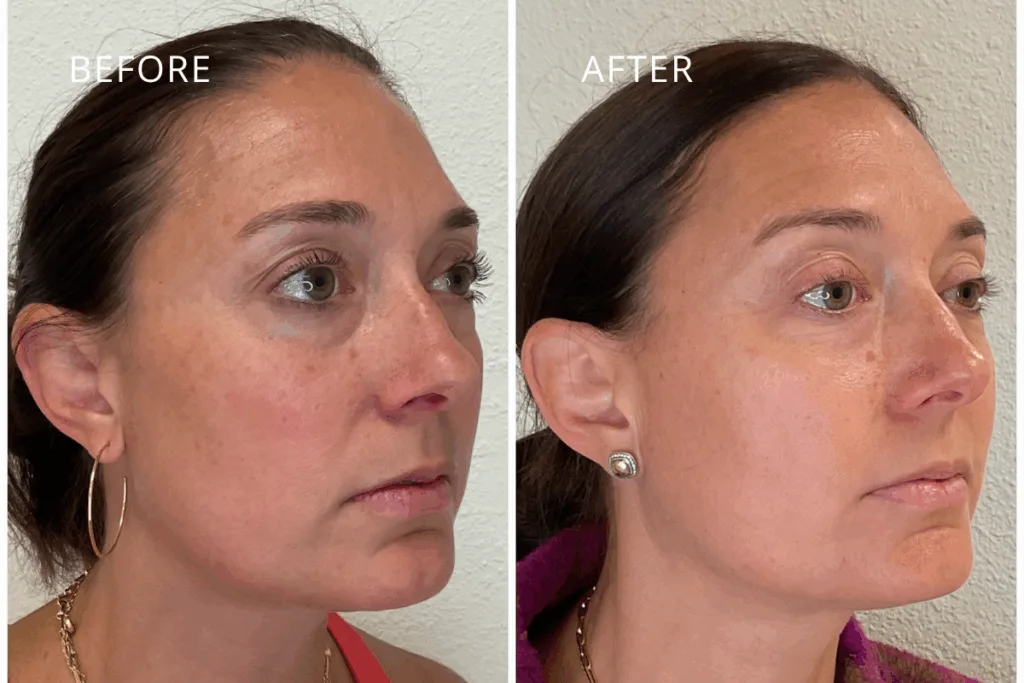
There comes a point where maintaining healthy skin is no longer the primary goal. Some patients want to address changes that have accumulated over many years, including more established sun damage, pigmentation, fine lines, enlarged pores and uneven texture. In these cases, practitioners may look beyond gentler resurfacing treatments.
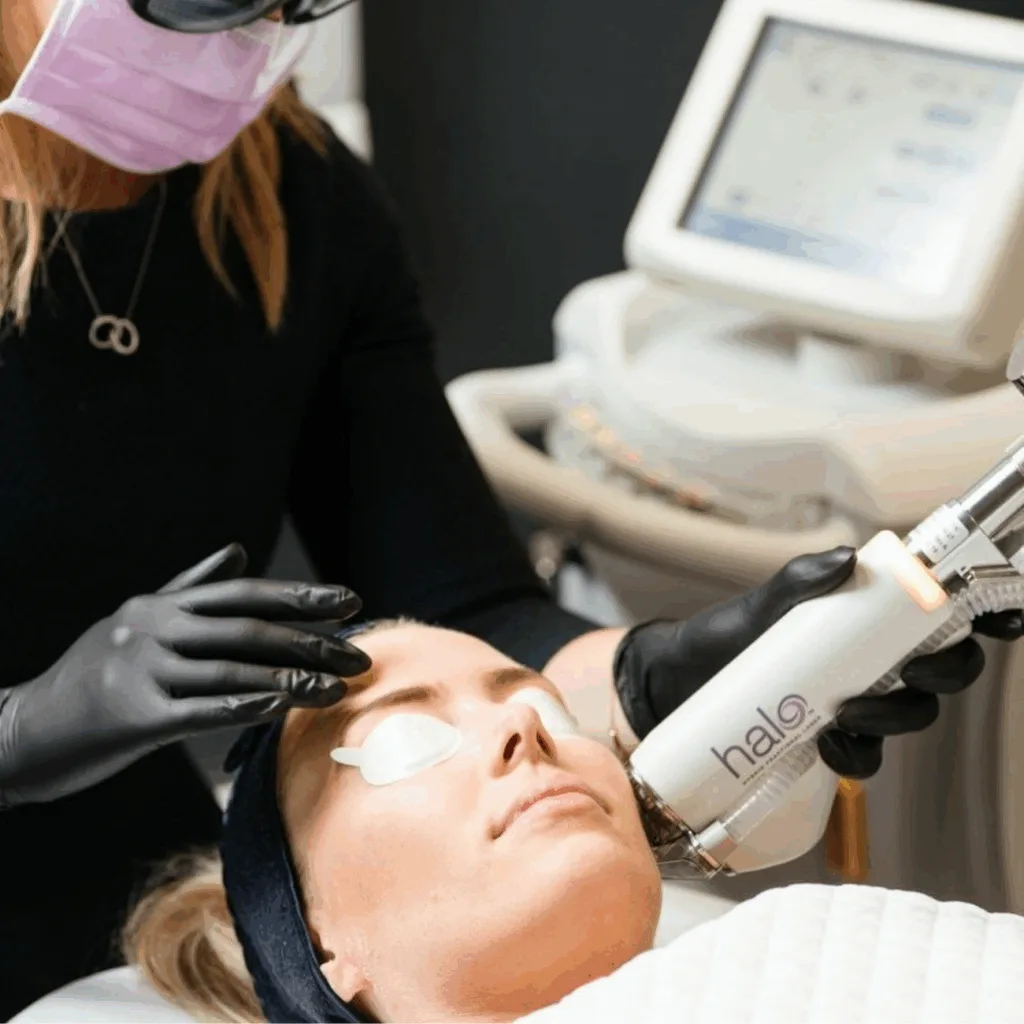
HALO TriBrid™ provides a more comprehensive approach to skin resurfacing by combining three wavelengths within one treatment. This allows different depths of the skin to be targeted, addressing visible surface damage while also supporting deeper remodeling and collagen production.
In practice, HALO TriBrid™ may be considered for patients with:
- More established sun damage
- Uneven pigmentation
- Fine lines and wrinkles
- Enlarged pores
- Rough or uneven texture
- Acne scarring
- More advanced signs of skin aging
The ability to work at multiple depths is what separates HALO TriBrid™ from gentler treatments such as MOXI. Rather than focusing primarily on early changes or ongoing maintenance, it provides a more corrective option when the skin requires greater resurfacing.
Results continue to develop after the initial recovery period as the skin renews and collagen remodeling progresses. For patients who have moved beyond early prevention and want more significant improvement in overall skin quality, HALO TriBrid™ can therefore represent the next step along the resurfacing spectrum.
ProFractional Resurfacing: Targeting Deeper Skin Remodeling Without Full-Field Treatment
Some concerns extend beyond surface pigmentation or early signs of aging. Acne scars, deeper wrinkles, and long-standing textural changes often require a different approach.
This is where ProFractional Resurfacing can be particularly valuable.
Unlike full-field ablative lasers that treat the entire skin surface, ProFractional creates thousands of microscopic treatment channels while leaving surrounding healthy tissue intact. These untreated areas help accelerate healing while allowing the laser to reach deeper into the skin, where collagen remodeling takes place.
As the skin repairs itself, new collagen forms and damaged tissue is gradually replaced, improving both the appearance and quality of the skin over time.
In practice, ProFractional is commonly recommended for patients with:
- Acne scarring
- Surgical scars
- More pronounced skin texture
- Moderate wrinkles
- Sun damage
- Areas of uneven skin quality
One of the advantages of fractional resurfacing is that it offers significant correction without requiring every square millimeter of skin to be treated. This often provides an excellent balance between results and recovery for patients who need more than a gentle resurfacing treatment but are not yet candidates for full ablative resurfacing.
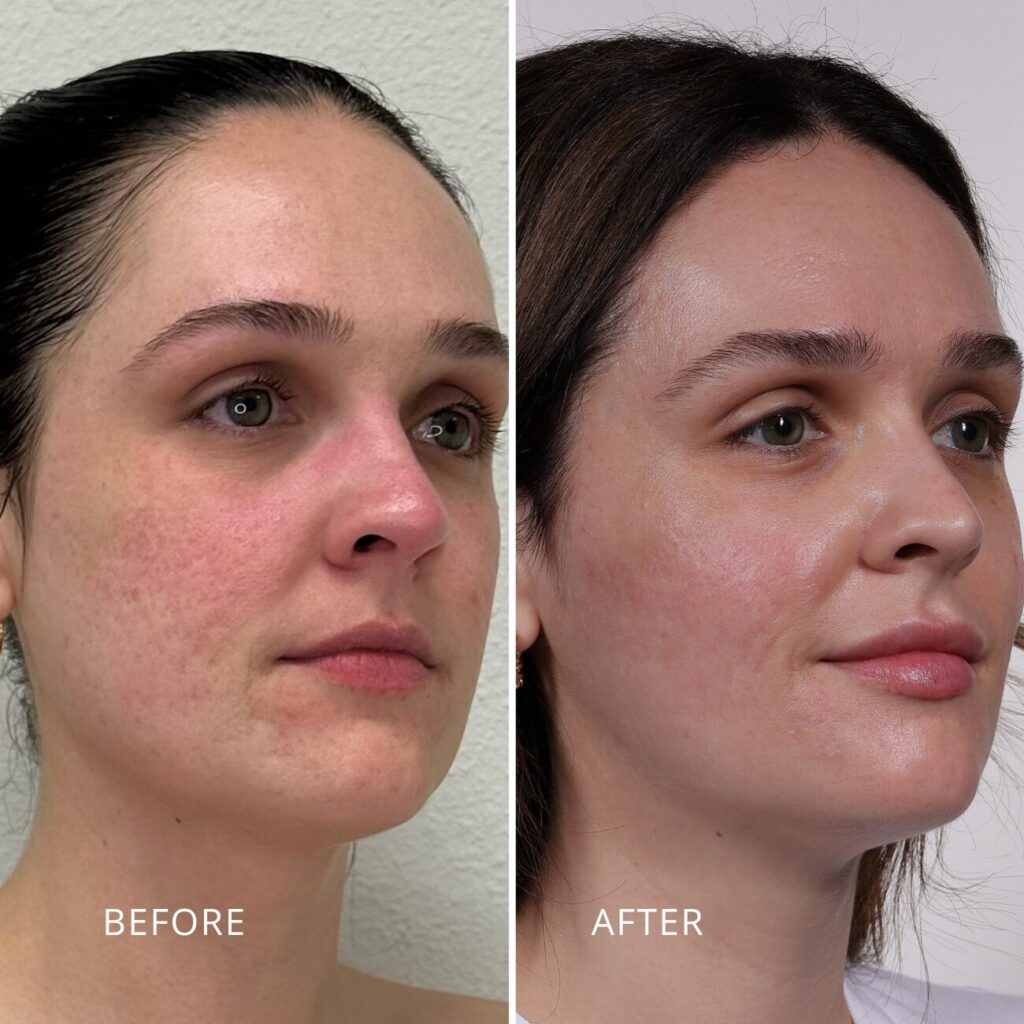
Contour TRL Ablative Erbium: When Maximum Correction Is the Goal
At the far end of the resurfacing spectrum sits Contour TRL Ablative Erbium, the most intensive resurfacing treatment offered at REAL Aesthetics + Wellness. This treatment is generally reserved for patients with more advanced skin concerns rather than those seeking routine maintenance or preventative care.
Contour TRL removes controlled layers of damaged skin while stimulating extensive collagen remodeling beneath the surface. As healing progresses, the skin regenerates with improved texture, smoother contours, and a more even appearance.
Because the treatment reaches a greater depth than other resurfacing procedures, it is often considered for concerns such as:
- Advanced sun damage
- Deep wrinkles
- Significant skin texture changes
- Extensive photodamage
- More advanced signs of skin aging
Although it may sound appealing to choose the strongest treatment available, that is rarely how experienced practitioners approach resurfacing. The goal is always to match the treatment to the patient’s skin, not the other way around.
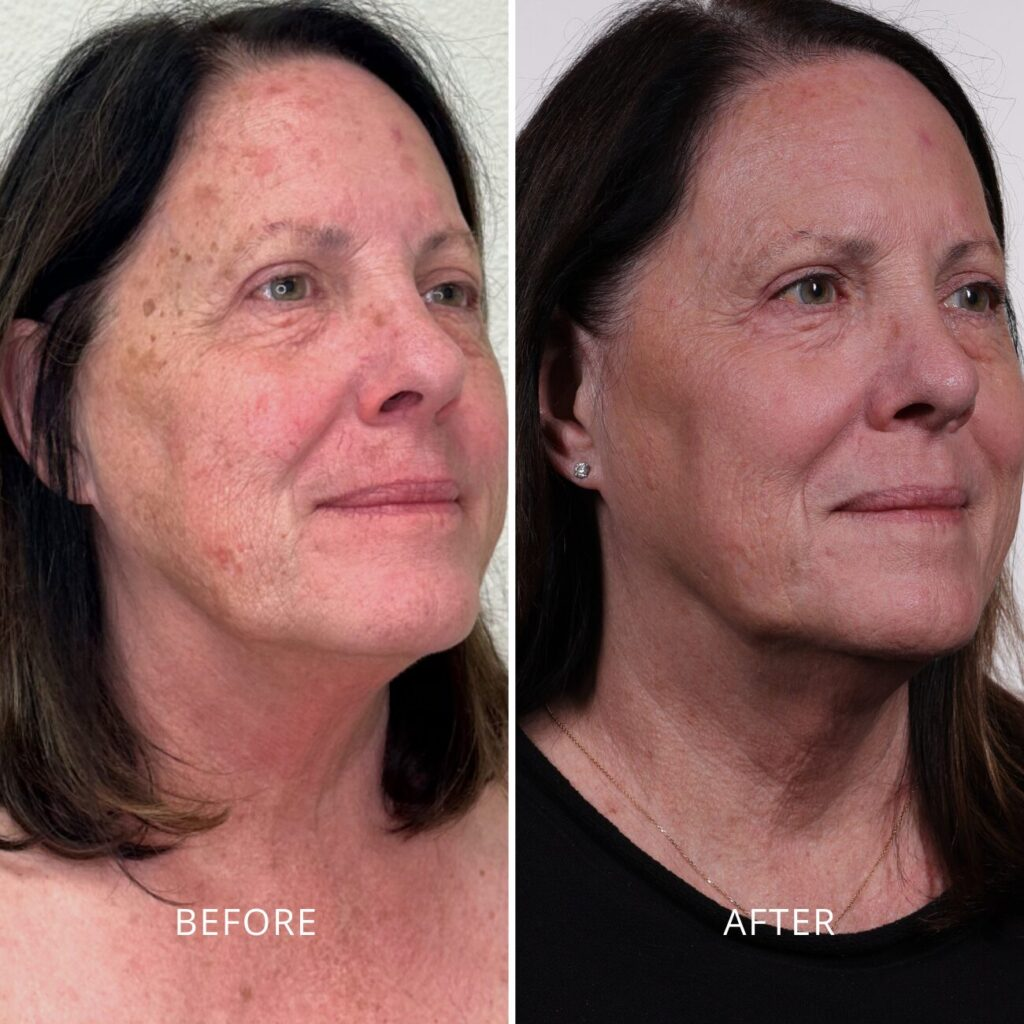
Do You Always Need a Stronger Skin Resurfacing Treatment?
Many patients achieve excellent long-term results by maintaining healthy skin with more conservative treatments and appropriate skincare. Others may gradually progress from a VI Peel to MOXI, before considering HALO TriBrid™ as sun damage, textural changes or collagen loss become more noticeable.
More advanced resurfacing treatments such as ProFractional or Contour TRL may be considered when a greater degree of correction is appropriate. They can also be particularly valuable for patients in their 40s and beyond who are looking for a more comprehensive skin resurfacing reset, with significant correction and results designed to last for years with appropriate maintenance.
The aim is not to work through every treatment available. It is to choose the level of resurfacing that matches your skin now, then adapt the approach over time as your skin, concerns and goals change.
Frequently Asked Questions
Can resurfacing treatments prevent future signs of aging?
They cannot stop the natural aging process, but many resurfacing treatments stimulate collagen production and improve skin quality, helping maintain healthier-looking skin over time.
Is laser resurfacing only for mature skin?
No. Treatments such as MOXI Laser Resurfacing are commonly used by younger patients looking to maintain skin quality and address early sun damage before more advanced concerns develop.
Can resurfacing treatments improve acne scars?
Yes. Depending on the type and severity of scarring, treatments such as ProFractional Resurfacing, HALO Laser Resurfacing, or Contour TRL Ablative Erbium may all play a role. Your practitioner will recommend the most appropriate approach after assessing your skin.
How do practitioners know when a laser is too aggressive for my skin?
The decision isn’t based on age alone. During your consultation, factors such as skin quality, sun damage, healing ability, medical history, lifestyle, and downtime expectations are all considered. Sometimes a gentler treatment delivers the best outcome because it matches the skin’s needs more appropriately.
If I’ve never had a resurfacing treatment before, do I need to start with the gentlest option?
Not necessarily. While many first-time patients begin with lighter resurfacing, others may benefit from a more advanced treatment if they have significant sun damage, acne scarring, or deeper wrinkles. The right starting point depends on your skin rather than your previous treatment history.
Ready to Find the Right Level of Skin Resurfacing?
Every patient’s skin tells a different story, and choosing the right resurfacing treatment starts with understanding that story rather than selecting the most powerful technology available.
If you’re noticing pigmentation, rough texture, fine lines, acne scarring, or other signs of sun damage after the summer months, a consultation at REAL Aesthetics + Wellness can help determine which approach is most appropriate for your skin. Whether that involves a VI Peel, MOXI Laser Resurfacing, HALO Tribrid, ProFractional Resurfacing, or Contour TRL Ablative Erbium, your treatment plan should always be tailored to your skin condition, your goals, and the level of correction that’s right for you.
REAL Aesthetics + Wellness proudly welcomes patients from Santa Rosa, throughout Sonoma County, and the surrounding North Bay communities who are looking for personalized, physician-led skin rejuvenation. Book a consultation to learn which resurfacing treatment is best suited to your skin and your long-term goals.