


Do you have
Collagen Loss and Skin Laxity?
Collagen is the protein that keeps skin firm, elastic, and youthful. As production slows with age, skin becomes thinner, looser, and less resilient, leading to visible laxity on the face, neck, and body. At REAL, we use regenerative treatments that stimulate your body’s own collagen production, restoring structure and support from within.
What is
Collagen Loss and Skin Laxity?
Collagen loss refers to the gradual decrease in the skin’s collagen content, which is an inevitable part of aging. This structural decline causes skin to loosen, fine lines to deepen, and contours to soften. Skin laxity occurs when collagen and elastin fibers weaken, allowing the skin to sag and lose its ability to snap back. While these changes are natural, they can be accelerated by lifestyle factors and environmental damage.
What causes Collagen Loss and Skin Laxity?
Natural aging
Collagen production declines by about 1% per year starting in our mid-20s, and elastin production also slows, reducing skin’s ability to stay firm and lifted.
Environmental exposure
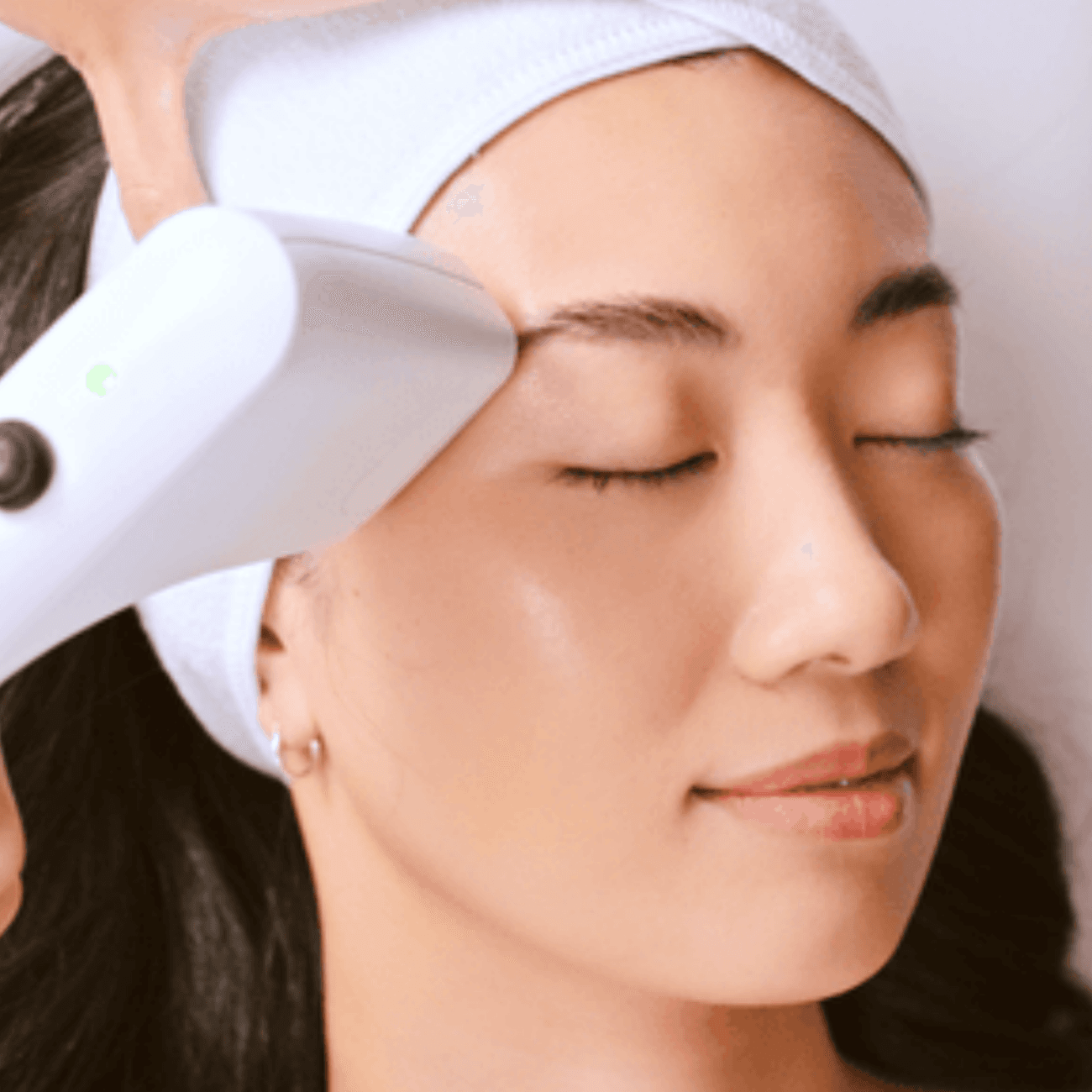
UV rays, pollution, and oxidative stress break down collagen fibers faster, leading to earlier and more pronounced laxity.

Hormonal changes
Shifts in estrogen, progesterone, and other hormones during menopause and andropause can accelerate collagen loss, making skin appear thinner and looser.
Our Recommended Treatment Options
for Collagen Loss and Skin Laxity
Frequently Asked Questions
About Collagen Loss and Skin Laxity
Can collagen be rebuilt naturally?
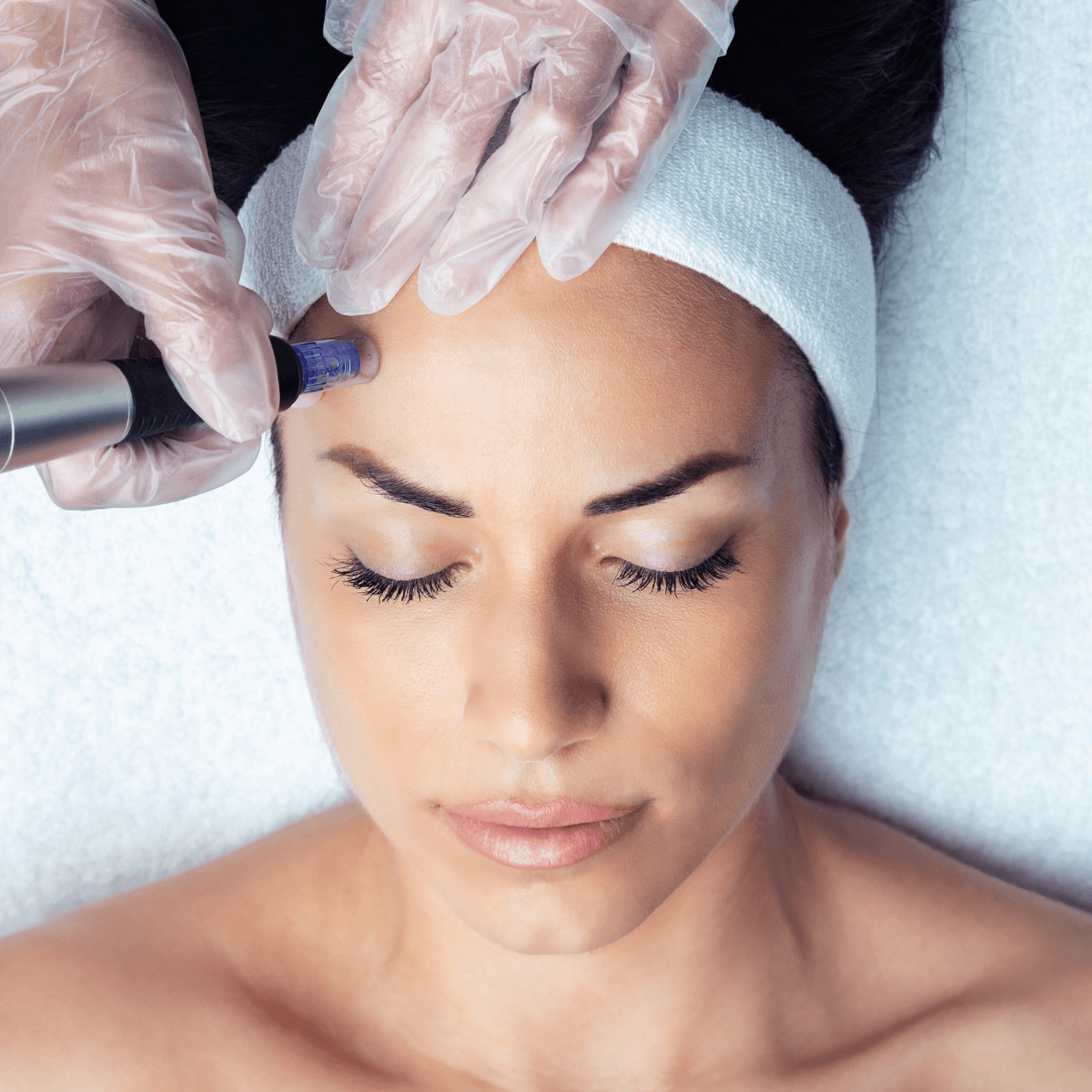
Yes. Treatments like microneedling, PRP, Sofwave, and laser resurfacing stimulate natural collagen production, while diet and supplementation can support the process.
How soon will I see results from collagen-stimulating treatments?
Results develop gradually over several weeks to months as new collagen forms, with improvements continuing over time.
Can skincare replace lost collagen?
Topical products cannot replace collagen but can help protect existing fibers and support healthy production when combined with professional treatments.
Is collagen loss reversible?
While we can’t stop natural collagen decline, targeted treatments can restore some of what’s been lost and slow future breakdown.
Does collagen loss affect more than just skin?
Yes. Collagen is also found in joints, ligaments, and muscles, so its decline can affect overall structural integrity—not just skin appearance.
