


Do you have
post-inflammatory pigmentation?
Post-inflammatory pigmentation (PIP) refers to dark spots or patches left behind after the skin experiences inflammation or injury. Whether from acne, eczema, burns, or other irritation, these marks can linger for weeks or even years without treatment. At REAL, we use advanced light, laser, and regenerative therapies to fade discoloration and restore a balanced, even skin tone.
What is
post-inflammatory pigmentation?
Post-inflammatory pigmentation is a type of hyperpigmentation that develops when the skin produces excess melanin in response to inflammation or trauma. It can appear as brown, black, or greyish patches and is most noticeable after acne breakouts, rashes, burns, or certain cosmetic procedures. Unlike sun spots, which are caused by UV exposure, PIP develops as part of the skin’s healing process. While it is harmless, it can be stubborn—especially in medium to deeper skin tones—and often requires targeted professional treatments to fade effectively.
What causes post-inflammatory pigmentation?
Inflammatory skin conditions
Acne, eczema, psoriasis, and allergic reactions can trigger the release of excess melanin during healing, leaving dark spots behind even after the initial irritation resolves.
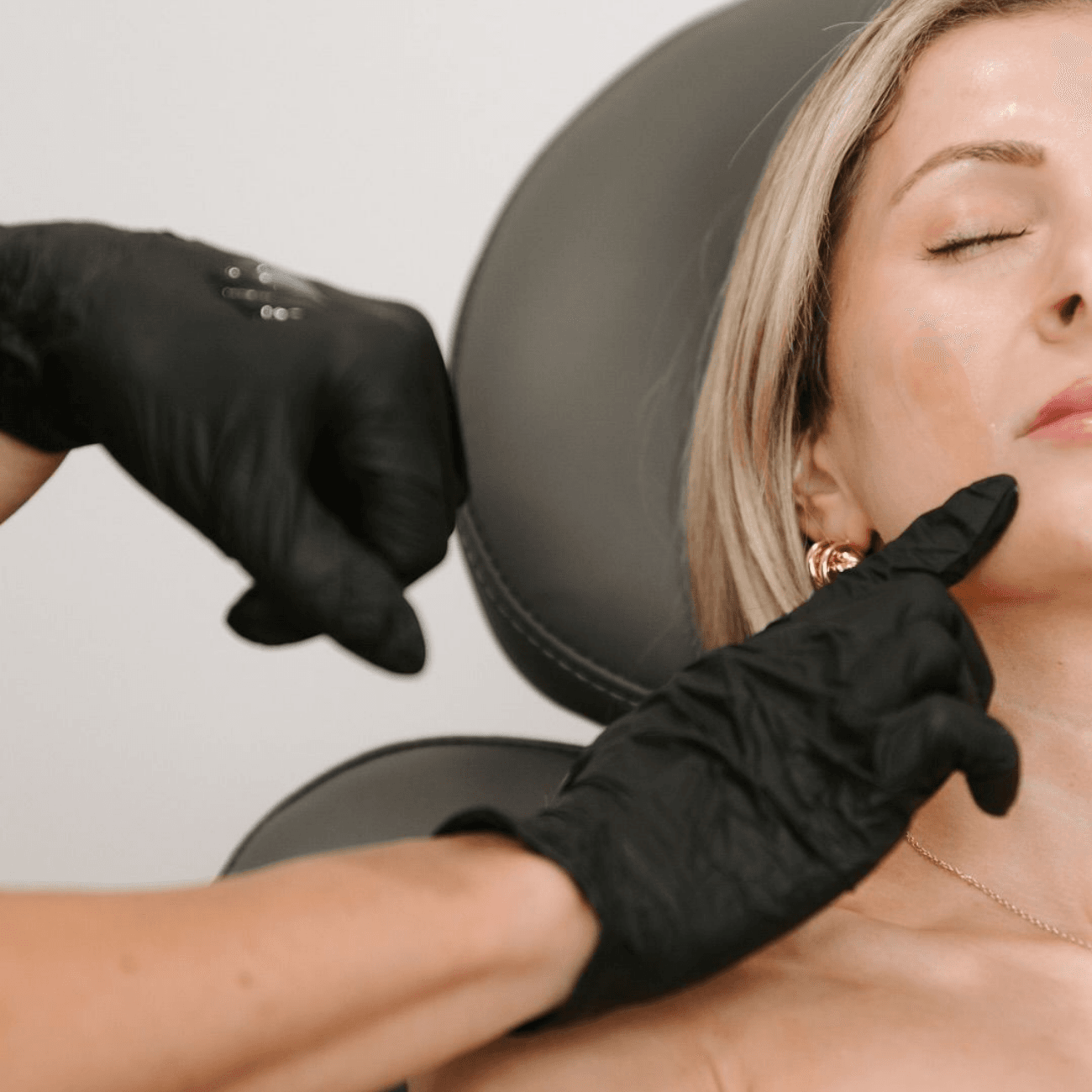
Skin injury or trauma
Cuts, burns, insect bites, or aggressive cosmetic treatments can lead to overproduction of pigment as the skin repairs itself, particularly in melanin-rich skin types.
Delayed healing or repeated irritation
If an injury or inflammation is prolonged—due to ongoing picking, scratching, or re-injury—the risk and severity of pigmentation increase significantly.
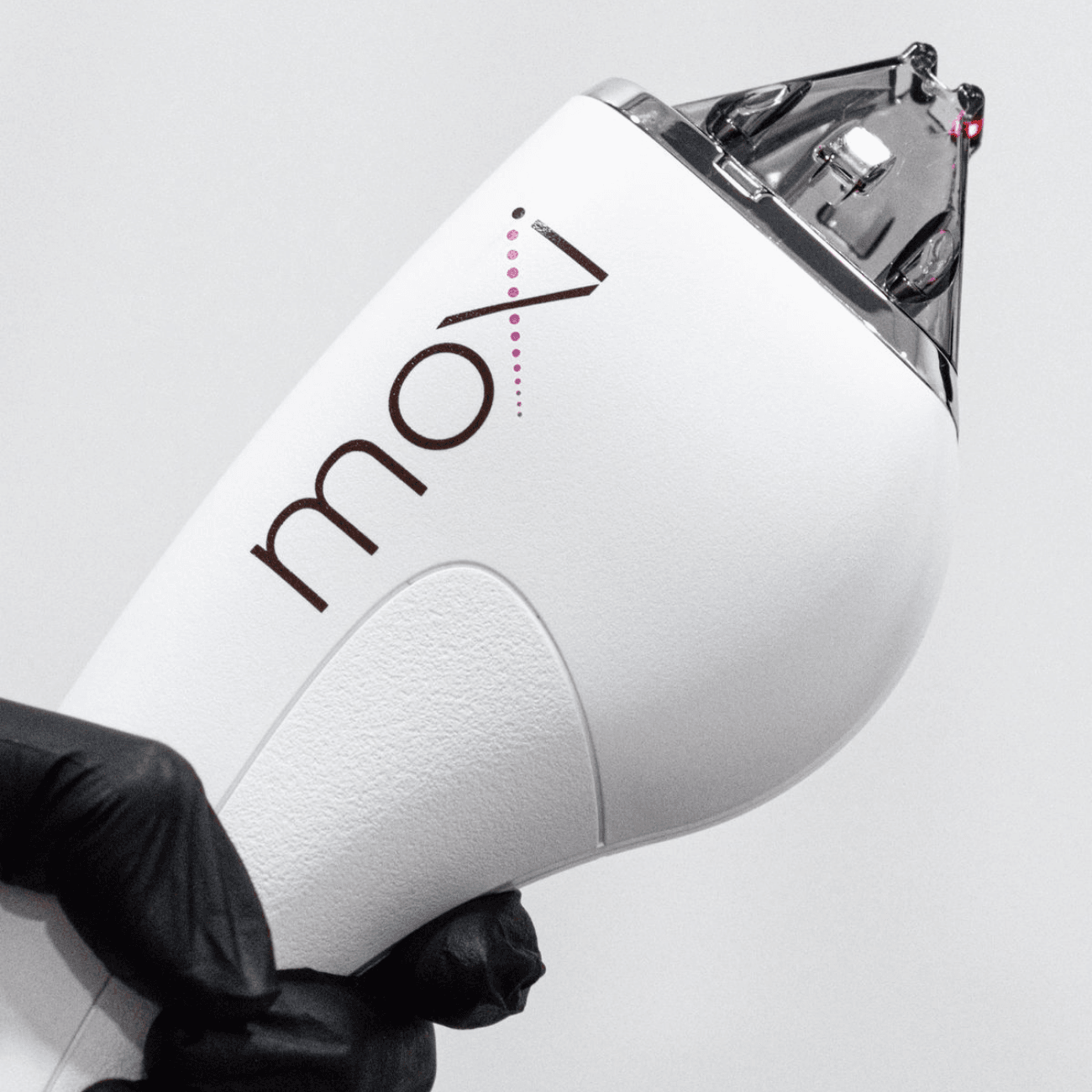
Our Recommended Treatment Options
for post-inflammatory pigmentation
Frequently Asked Questions
About Post-Inflammatory Pigmentation
How is PIP different from melasma?
PIP is caused by a specific injury or inflammation, while melasma is often triggered by hormones and sun exposure. The treatment approach can differ between the two.
How long does PIP last?
Mild cases may fade in a few months, but deeper pigmentation can persist for a year or more without professional intervention.
Can PIP be prevented?
Avoiding picking or scratching irritated skin, treating inflammation promptly, and wearing daily SPF can reduce the likelihood of PIP developing.
Is PIP more common in darker skin tones?
Yes. People with medium to dark complexions have more active melanocytes, making them more prone to pigment changes after skin injury or inflammation.
Will pigment return after treatment?
If the underlying cause of inflammation occurs again, new pigment can form. Ongoing skin health maintenance and sun protection are essential.

