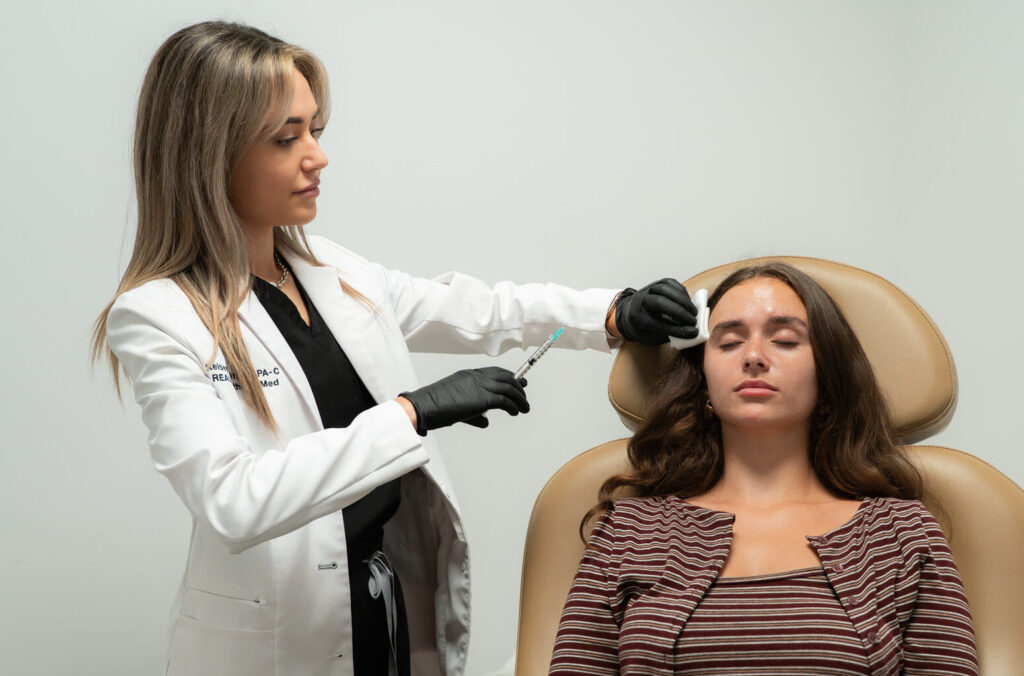
Do you have
sun damage?
Sun damage can cause more than just freckles or tan lines—it’s one of the leading causes of premature aging. At REAL, we use targeted light and laser treatments to reverse visible signs of UV exposure and restore a healthier, more even complexion.
What is
sun damage?
Sun damage, also called photoaging, refers to changes in the skin caused by prolonged exposure to ultraviolet (UV) rays. It can appear as pigmentation spots, fine lines, rough texture, and a loss of elasticity. Over time, sun damage can affect both the skin’s surface and deeper structural layers, accelerating visible aging and increasing the risk of certain skin cancers.
What causes sun damage?
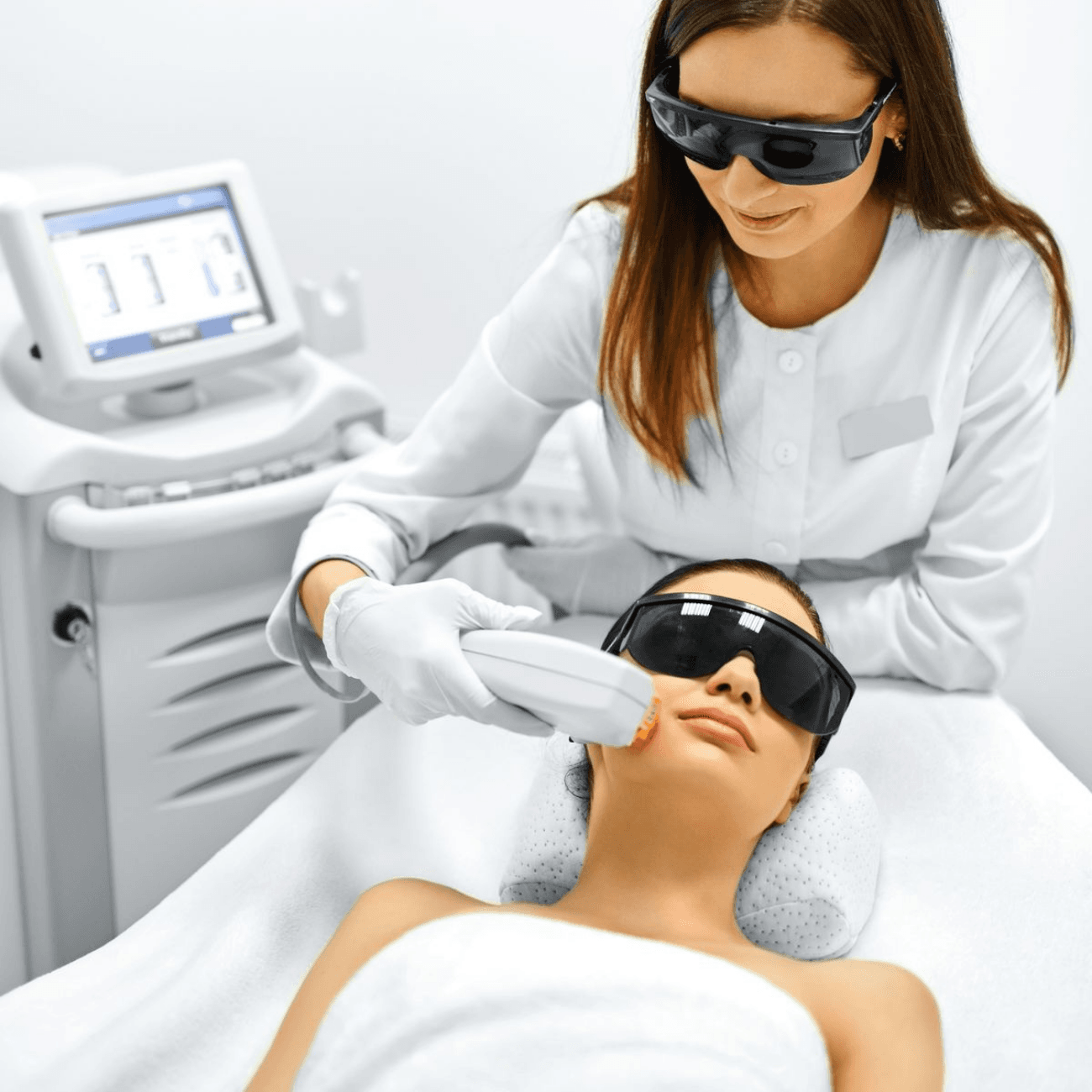
Ultraviolet (UV) radiation
UVB rays damage the skin’s surface, causing sunburn, while UVA rays penetrate deeper, breaking down collagen and elastin. Both contribute to premature aging and pigmentation changes.
Cumulative exposure
Even small amounts of unprotected sun exposure add up over the years, leading to gradual changes in skin tone, texture, and firmness.
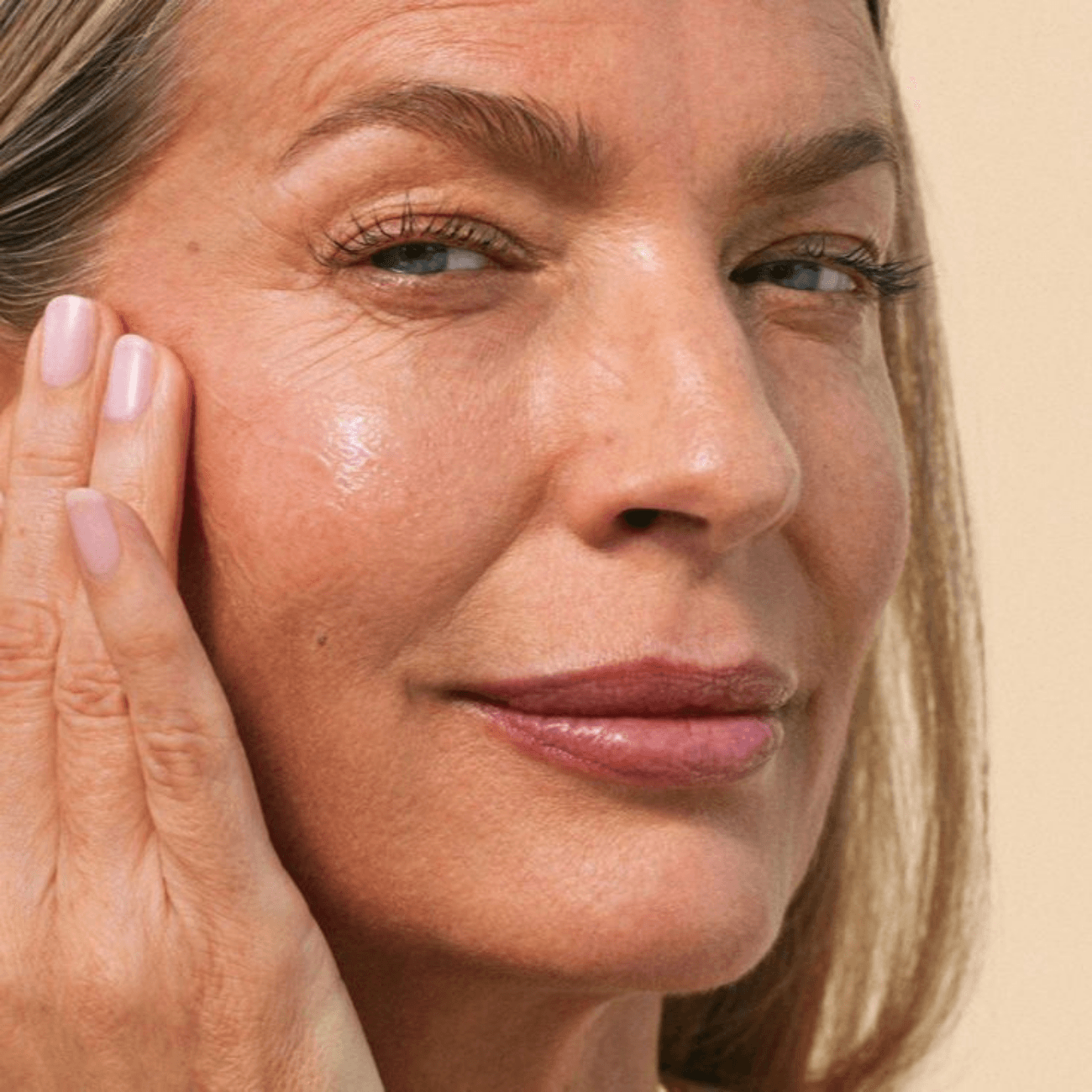
Lack of sun protection
Not using broad-spectrum sunscreen daily leaves skin vulnerable to constant UV exposure—even on cloudy days or indoors near windows.

Our Recommended Treatment Options
for sun damage
Frequently Asked Questions
About Sun Damage
Can sun damage be reversed?
Many visible effects—such as pigmentation, redness, and fine lines—can be significantly improved with professional treatments, though prevention remains key.
Does sun damage only happen in summer?
No. UVA rays are present year-round and can penetrate clouds and glass, making daily protection essential.
Is a tan always a sign of damage?
Yes. Any change in skin color from UV exposure indicates your skin is trying to protect itself from injury.
Why does sun damage make skin look older?
UV exposure accelerates collagen breakdown, reduces elasticity, and disrupts even skin tone—leading to visible signs of aging sooner.
How can I prevent future sun damage?
Daily use of SPF 30+ broad-spectrum sunscreen, protective clothing, and limiting peak sun exposure are the most effective prevention methods.